There’s something warming and cosy about the idea of whisky. The thought of it conjures fireside lounging, sumptuous velvet-swagged parlour rooms, and a sense of ‘coming in from the cold’.
That being said, whisky is a drink for all seasons, and remains one of the largest and most valuable categories of spirits in the world.
While new markets are constantly opening up and growing – from Japan, to Nordic countries where you can even buy sauna smoked whisky – there's no denying whisky’s cultural home is firmly in Britain.
In fact, the first ever written record of the drink was noted in the Scottish government’s accounts – the Exchequer Rolls – in 1494, where the entry reads: ‘Eight bolls of malt to Friar John Cor, by order of the King, to make aqua vitae’.
Aqua vitae (Latin for ‘water of life’) continues to endure. But it can feel, for some, a complicated ‘club’ to join. The differences between regions, influences of casks and finishing methods, grains and more, often present as indecipherable jargon.
But, as ever, Great British Food is here to reveal all you need to know.
Whisky FAQs
Is there a difference between whisky and whiskey?
Not really. How whisky is spelled really depends on where it’s been produced or bottled. Typically in the UK we spell it ‘whisky’ - and so do Canada, Japan and numerous other countries. Whiskey (with an ‘e’) is the spelling predominantly in America and Ireland.
What are the differences between Scotch, Irish and bourbon whiskies?
Scotch whisky: Has to be made in Scotland and aged for a minimum of three years in oak barrels.
Irish whiskey: Must be barrel aged in wooden casks for a minimum of three years. Many are triple distilled, giving a smoother, lighter style, but this isn’t a legal requirement.
Bourbon whiskey: American bourbon has no minimum age requirements, but it does have to be made from at least 51% corn, and aged in new charred oak barrels.
What does ‘single malt’ mean when it comes to whisky?
If you’re buying a single malt, this indicates that the whisky comes from a single distillery, is crafted using 100% malted barley, and is produced traditionally in pot stills. Blended whiskies can combine single malt and grain varieties.
What does ‘peaty’ mean when describing the taste of whisky?
This smoky, earthy, almost savoury flavour profile is linked with the processing of the barley – and most frequently to Islay-made varieties. Peat (organic matter made mostly of mosses, sedge and shrubs, compacted in boggy areas) is cut during summer, dried in kilns, and burned to dry out the barley. Peated whisky’s smokiness is denoted by phenol parts per million (ppm) with the range on average from 5ppm to 50ppm – the more ppm, the smokier the taste.
What are the whisky regions of Scotland and how do the whiskies differ?
Scotland has five distinct whisky regions: Speyside, Highlands, Lowlands, Islay and Campbeltown. Each of these has its distinct signature and experts and connoisseurs really can tell the difference.
Speyside whisky: Tends to be smoother and fruitier, with typical notes including honey, orchard fruit, vanilla and dried fruit owing to many of these varieties being aged in sherry casks, and little to no use of peated barley. It’s a great introduction to the world of whisky for beginners, and is brilliant for sipping and mixing.
Highlands whisky: This is a large and really diverse whisky region, with a number of different flavour profiles, making it ripe for exploration. There could be smoke, honey, spice or dried fruit. It’s an exciting variety to dive into.
Lowlands whisky: If smooth sipping whiskies are your ‘thing’, look to the Lowlands, where triple distilling is commonplace, leading to lighter, more floral, herbaceous, citrussy bottles.
Islay whisky: Bold and powerful with notes of seaweed, sea salt and herbs, Islay whiskies are famous around the world for their peated nature. These are bottles that truly stand out in a crowd.
Campbeltown whisky: Often described as unique and complex, whiskies from Campbeltown share characteristics of both Islay and Speyside varieties, with hints of smoke, a briny nature, and pockets of toffee, dried fruit and spice.
What does ‘non-chill filtered’ mean?
You might notice on the label of your whisky that it’s non-chill filtered. Many distilleries will chill their whiskies to 0-4C before filtering to achieve a clear finish. This removes the esters, proteins and fatty acids from the spirit.
Some makers are actively choosing not to put their whisky through this process, retaining the natural compounds for a richer, oilier body and more luxurious mouthfeel. You might find non-chill filtered whiskies go cloudy or hazy when you add ice or chill them, but this is completely natural.
Why do people add water to whisky?
Traditionalists say adding water (only a few drops, mind) to whisky helps to open up the flavour, letting it breathe. It’s definitely worth trying.
Adding ice instead of water to whisky softens up the alcohol as well as cooling the liquid (obviously). Or enjoy neat, at room temperature.
What’s the best glass for serving whisky?
For casual drinkers, a nice tumbler will do well. But if you’re serious about whisky, and want to make the most of your experience, it’s recommended investing in a tulip shaped (also known as Glencairn) glass. The wide base allows your hands to warm up the spirit, while the narrow centre part whooshes the aromas upwards, and the curved open edges at the top direct them right up your nose.
Which foods pair best with whisky?
Grilled and smoked foods (how about some Great British Food Award-winning smoked fish or charcuterie?) are a match made in heaven with whisky.
Cheddars – particularly the stronger, more savoury types – are also a win. As are foods that compliment the aromas and essence of the whisky you’re drinking.
Think dried fruit, fruit cake and caramel with Speyside whisky, and olives and nuts with Campbeltown whisky.
9 of the best British whiskies
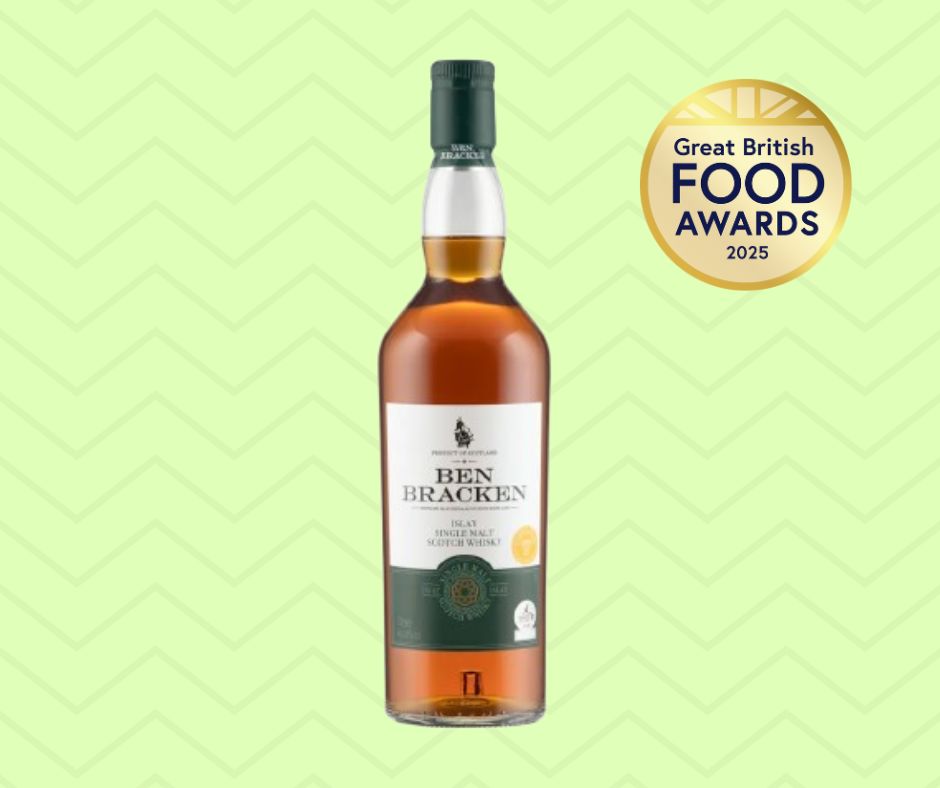
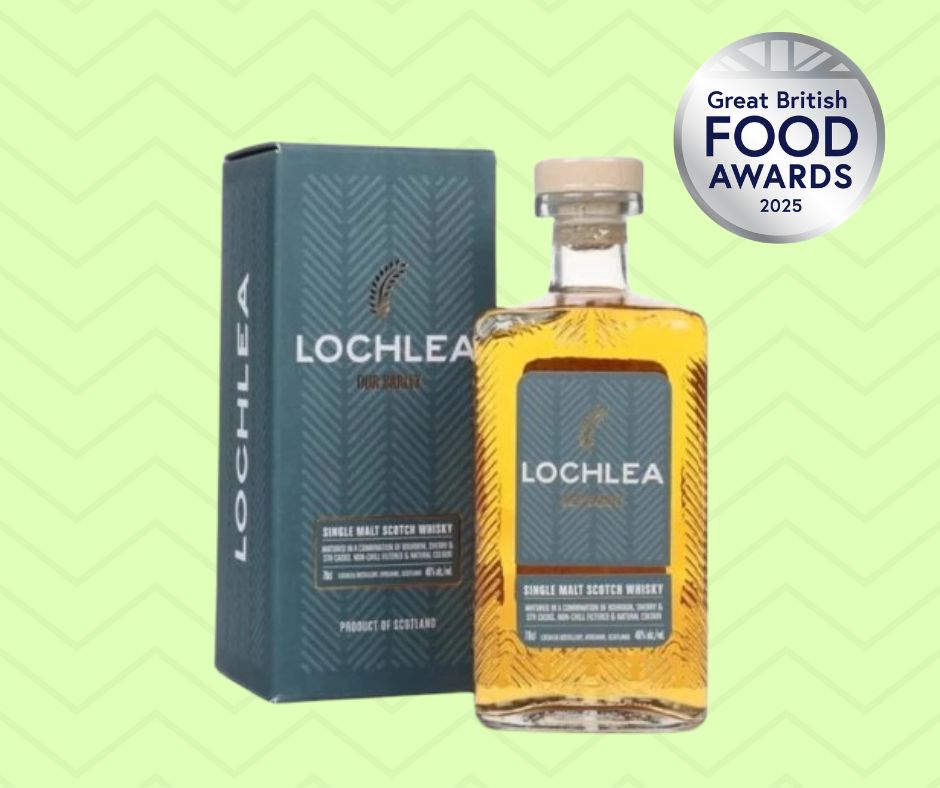
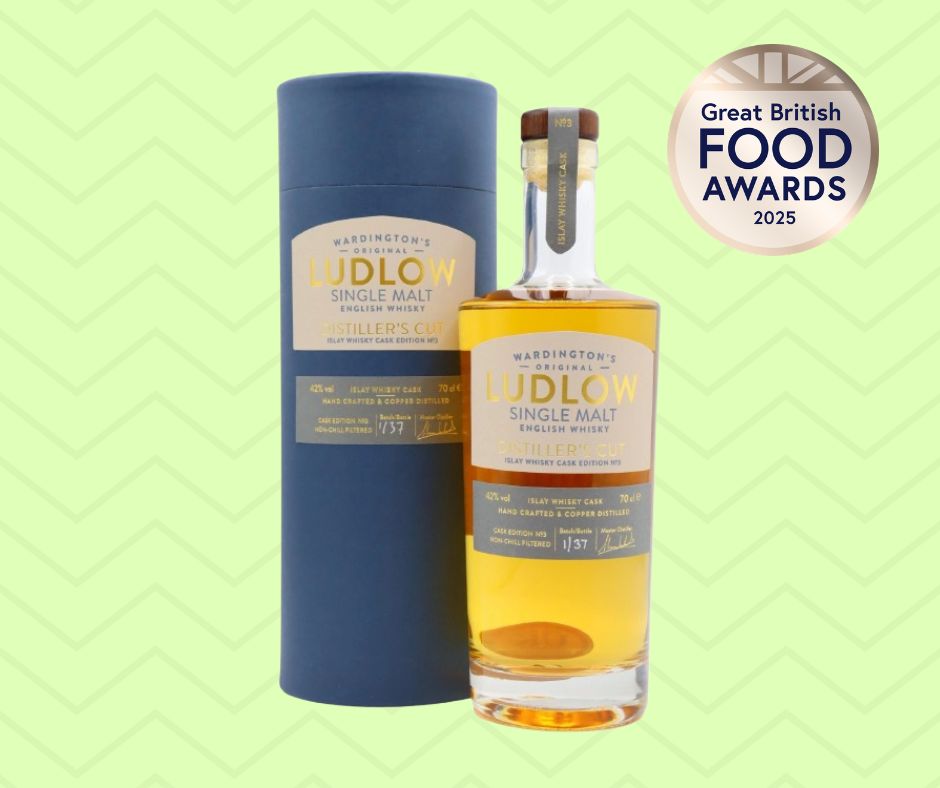
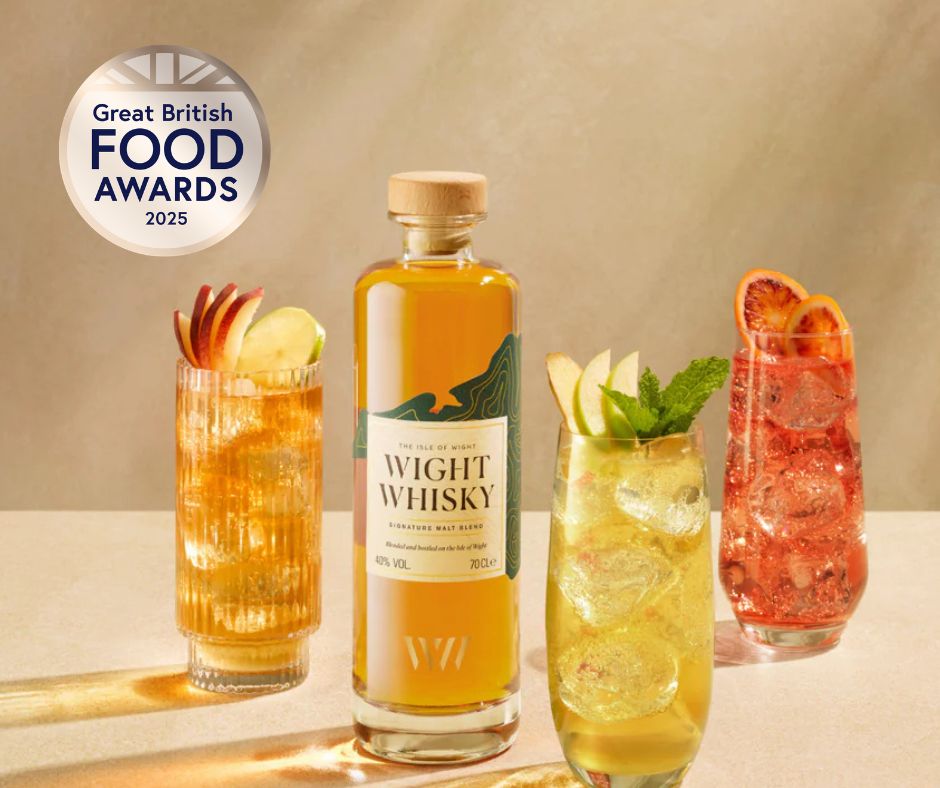
Ready to start your whisky journey? Here are some award-winning varieties to get you started.