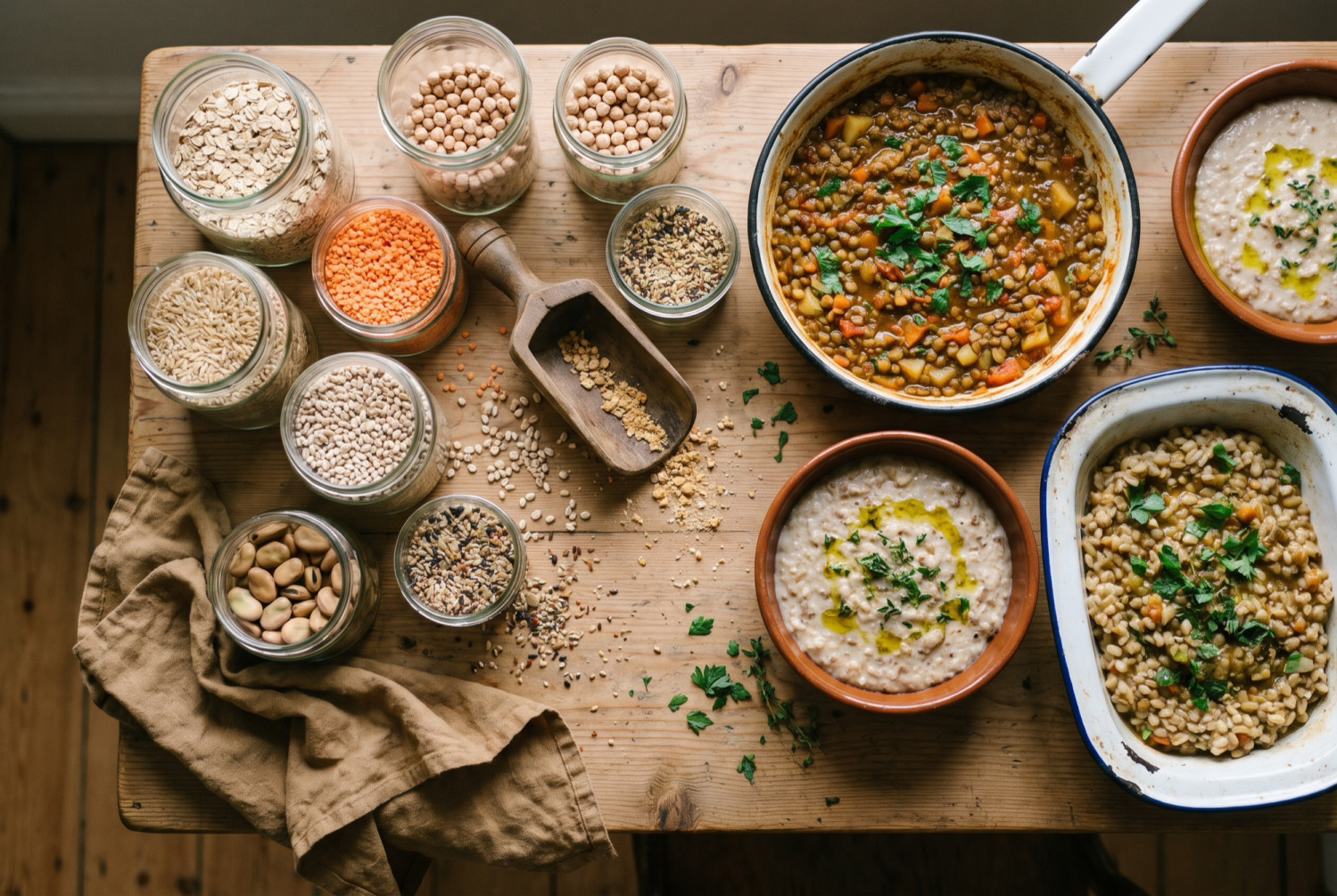
Ask most people what a British larder used to hold and the answer will be fairly short: oats, flour, dried peas and beans, barley, a few spices, perhaps a jar of something pickled. Everything was an ingredient. Very little was a finished product.
That's changed a lot. Analysis of the National Diet and Nutrition Survey put ultra-processed food at around 54% of the calories UK adults now eat, one of the highest shares in Europe. But more and more cooks are pushing back, and the easiest place to start is the cupboard.
Start with what grows here
Some of the best unprocessed staples are also some of the most British. Oats have fed this country for centuries, and a bowl of organic porridge oats is about as simple as breakfast gets.
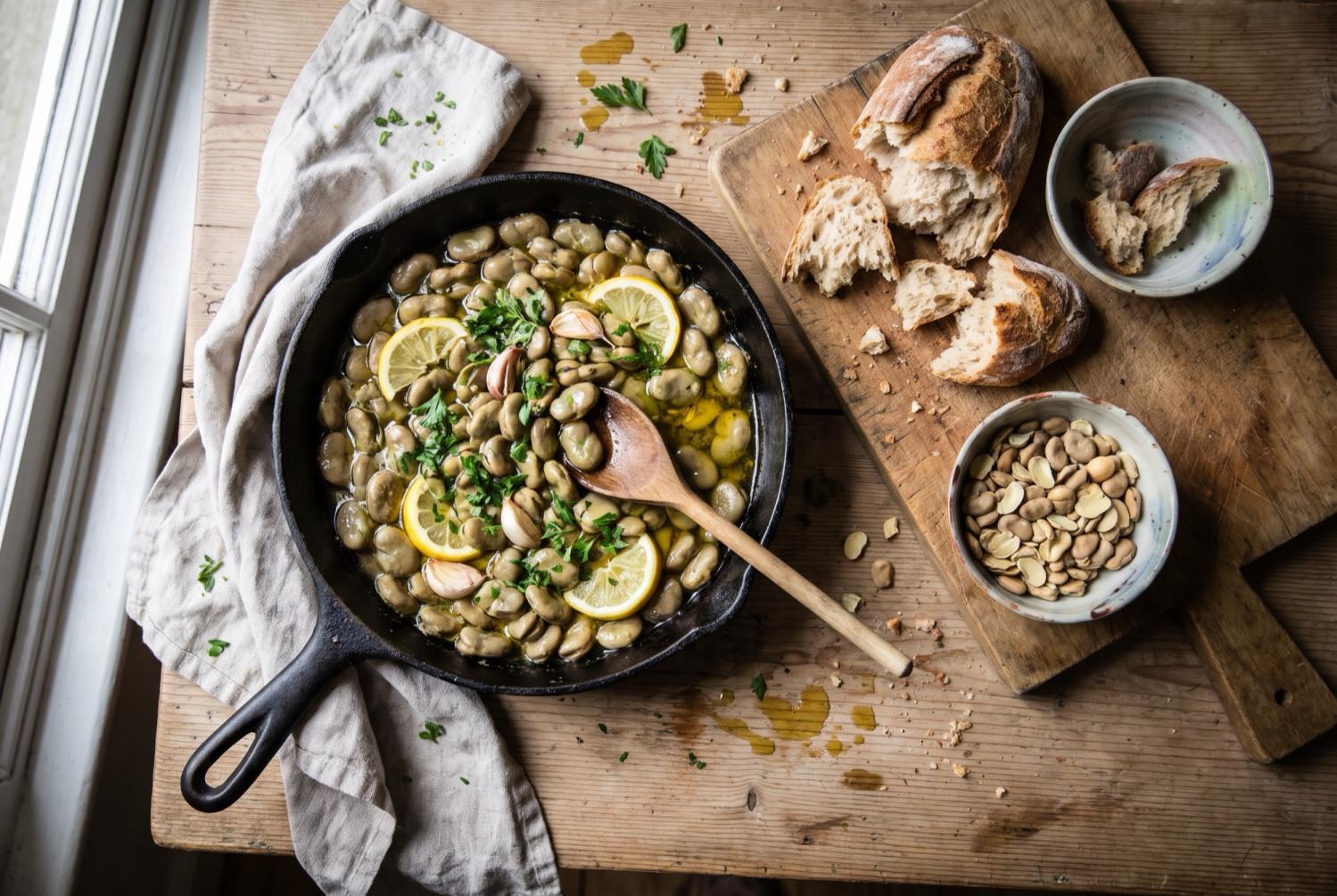
Fava beans are one of the oldest crops grown in Britain, yet much of the harvest goes abroad. British fava beans make a rich, nutty alternative to chickpeas in falafels, stews and dips. Soak them overnight, simmer until tender, then blitz with garlic, lemon and good oil.
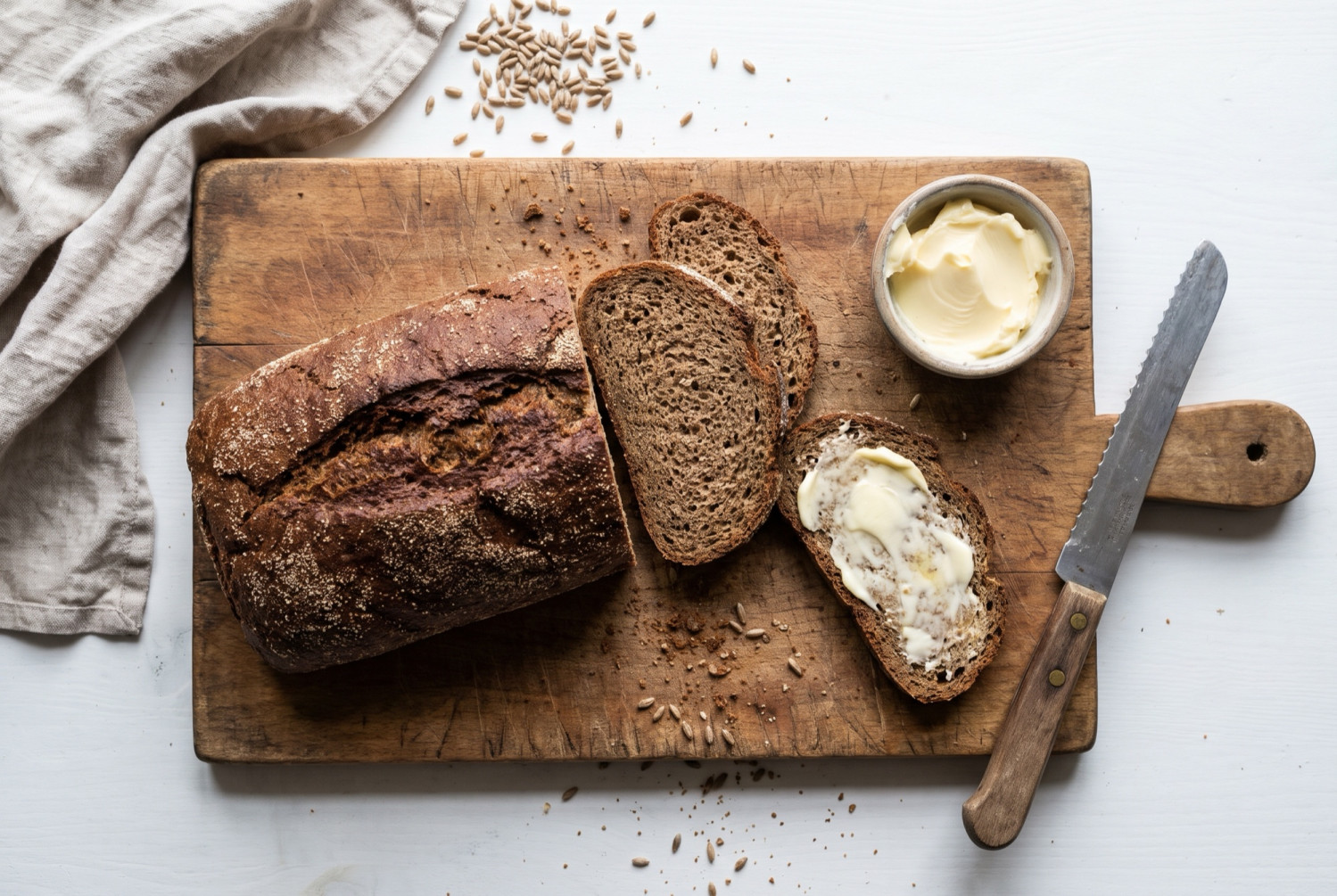
For baking, stoneground wholemeal rye flour gives bread a deep, slightly sour flavour and keeps it moist for days.
A simple rule of thumb
If you're unsure whether something counts as unprocessed, look at the ingredients list. Oats should say oats. Beans should say beans. If the list runs to a dozen lines and includes things you wouldn't keep in your own kitchen, it's probably been made in a factory rather than grown in a field.
Whole Food Earth, a wholefoods business based in Ramsgate, Kent, sums the idea up in eight words: most of your plate, most of the time. Its free Whole Plate challenge suggests cooking just one more meal a week from scratch than you did the week before. It's a small enough step to stick to through the busiest of winters.